

In the fast-evolving world of renewable energy, the conversation around energy storage has shifted dramatically. No longer confined to massive, grid-tied battery farms, today’s clean energy transition demands solutions that are as dynamic as the renewables themselves. Enter mobile energy storage—portable, scalable systems that can be deployed anywhere, anytime. As we hit October 2025, with global renewables capacity surging toward 4,600 GW by 2030, mobility isn’t just a buzzword; it’s the cornerstone of a truly decentralized future.
If you’re searching for insights on decentralized renewable energy or mobile battery storage solutions, this guide breaks it down: why mobility matters, its advantages over stationary systems, and how it’s powering everything from remote microgrids to urban EV hubs. Let’s dive in.

The Shift to Decentralized Renewables: What the Data Shows
The clean energy transition is accelerating, driven by plummeting costs and urgent climate goals. But here’s the game-changer: renewables are going local. According to the International Energy Agency’s (IEA) Renewables 2025 report, distributed solar PV applications—including residential, commercial, industrial, and off-grid projects—now account for 42% of overall PV expansion. That’s up from previous years, signaling a massive pivot toward decentralized energy systems.
Why this matters? Traditional centralized grids can’t handle the intermittency of solar and wind when generation is scattered across rooftops, remote sites, and community arrays. By 2025, installations are forecasted to exceed 750 GW annually, with solar leading at nearly 80% of growth. Yet, without agile storage, this boom risks blackouts and wasted potential. Mobile energy storage bridges that gap, enabling power to flow where demand spikes—think disaster relief or peak-hour urban surges.
Why Stationary Storage Falls Short in a Mobile World
Stationary battery systems, like those giant lithium-ion farms, have been the MVPs of grid stability. They offer high capacity and efficiency, storing gigawatts for later use. But in 2025’s decentralized renewables landscape, they’re showing their limits:
- Installation Delays: Fixed setups require permits, foundations, and grid connections—often taking 6-12 months.
- Location Lock-In: Once built, they’re immobile, leaving remote or temporary sites underserved.
- ROI Challenges: With energy demand fluctuating wildly (e.g., EV charging peaks), stationary assets underutilize during off-hours, dragging down returns.
The result? A mismatch between supply and need. As the IEA notes, policy headwinds and grid bottlenecks have trimmed global renewables forecasts by 5% for 2025-2030, underscoring the urgency for flexible alternatives.
The Rise of Mobile Energy Storage: From Concept to Reality
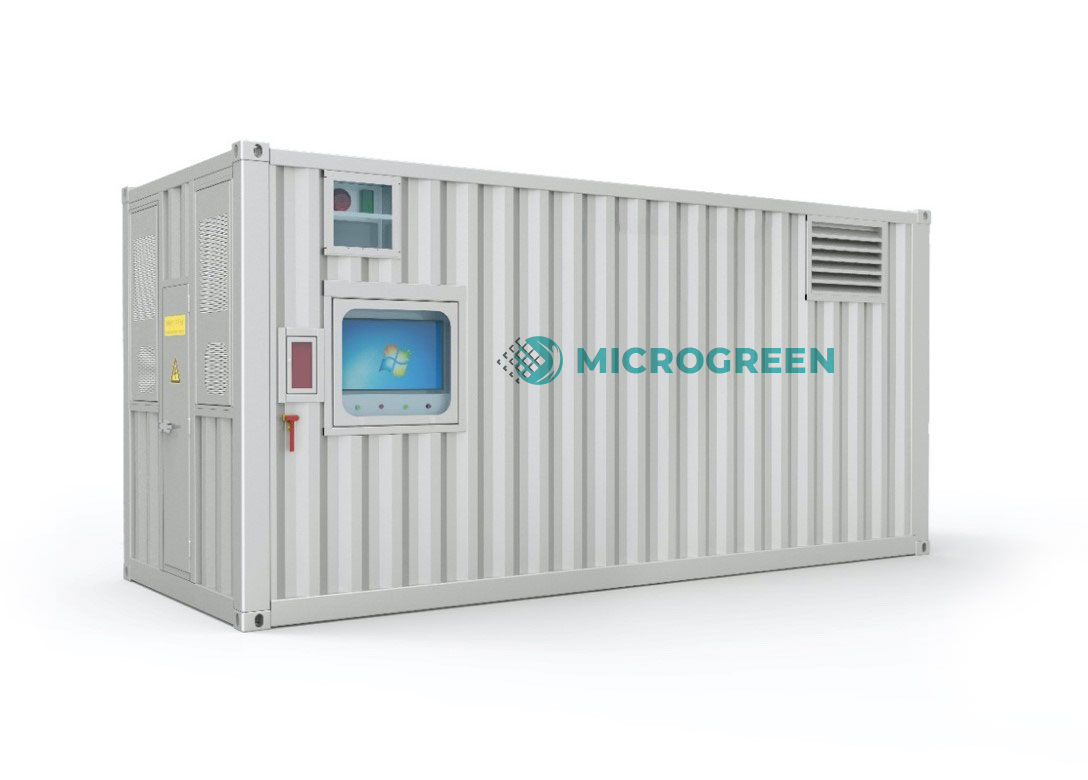
Mobile energy storage flips the script. These are containerized, truck-transportable units—think shipping container-sized batteries with integrated inverters, cooling, and controls. They can be plugged into a microgrid in hours, not months, and relocated as needs evolve.
Powered by advancements in lithium-iron-phosphate (LFP) batteries and modular designs, mobile battery storage scales from kilowatts for off-grid homes to megawatts for events. Companies like CDS Solar and Microgreen are leading with photovoltaic-integrated containers that pair seamlessly with solar arrays
.
In essence, mobility transforms storage from a passive reserve into an active asset, optimizing the renewable energy storage ecosystem.
Key Benefits of Mobile Energy Storage Solutions
Adopting mobile energy storage isn’t just trendy—it’s strategic. Here’s why it’s dominating searches for sustainable energy solutions in 2025:
1. Unmatched Agility and Deployment Speed
- Deploy in days: Ideal for seasonal farms, construction sites, or emergency response.
- Relocatable: Move units between projects to maximize utilization rates up to 90%.
2. Cost Efficiency in Decentralized Setups
- Lower upfront costs: No heavy infrastructure; containers cost 20-30% less than fixed installs.
- Higher ROI: In off-grid scenarios, they capture 100% of generated power, reducing curtailment losses.
3. Enhanced Resilience and Scalability
- Disaster-proof: Power hospitals or evacuations without grid reliance.
- Modular growth: Stack or connect units for hybrid systems blending solar, wind, and storage.
4. Sustainability Edge
- Eco-friendly materials: Recyclable batteries with longer lifespans (10+ years).
- Reduced emissions: Supports net-zero goals by enabling full renewable integration.
These perks align perfectly with IEA projections, where distributed applications drive nearly half of PV growth.
Real-World Applications: Mobile Storage in Action
Don’t just take our word—see it live:
- Remote Mining Operations: In Australia’s outback, mobile containers store solar power for 24/7 ops, cutting diesel use by 70%.
- Urban EV Infrastructure: California’s pop-up charging stations use trucked-in batteries to handle rush-hour loads without grid upgrades.
- Event Power: Coachella Festival deploys megawatt-scale mobiles for carbon-neutral energy, blending with on-site solar.

These cases highlight how mobile energy storage turns challenges into opportunities in the energy transition.
Looking Ahead: IEA Projections and the Road to 2030
The IEA’s Renewables 2025 paints an optimistic yet cautious picture: Despite a slight forecast dip, renewables will cover 90% of electricity demand growth this year alone. By 2030, solar PV will spearhead 80% of expansions, with decentralized energy at the forefront.
For businesses and policymakers, the message is clear: Invest in mobility now. Pair it with AI-optimized dispatch software, and you’ll future-proof against grid strains and policy shifts.
Wrapping Up: Power Your Transition with Mobility
Mobile energy storage isn’t a niche—it’s the next stage of renewable energy storage, making the clean energy transition accessible, resilient, and profitable. As we navigate 2025’s opportunities, from 42% distributed PV dominance to explosive capacity growth, agility wins.
What’s your take on decentralized renewables? Are you exploring mobile solutions for your projects? Drop a comment below, subscribe for more green tech insights, or connect on LinkedIn to chat strategies.
Sources: All data drawn from IEA’s Renewables 2025 report and related analyses. For deeper dives, check the full IEA Renewables 2025 publication.
 English
 Chinese (Simplified)
 Estonian
 French
 Greek
Greek Japanese
 Korean
 Kyrgyz
 Latvian
 Malay
Malay Romanian
 Russian
 Sindhi
 Sinhala
 Spanish
 Thai
Thai Turkish